Get Disability Home Modification
Disability home modification services help property owners adapt their homes by installing ramps, grab bars, stairlifts, and other features to improve safety and accessibility.
If you are considering modifications to make a home more accessible and comfortable, you are in the right place. Many property owners in the area explore disability home modification services to enhance safety, improve mobility, and support independence within their living spaces. Planning a project like this involves understanding the options available and comparing local contractors who specialize in accessible home improvements. Continuing to explore your choices can help you find the best solutions tailored to your needs.
Connecting with experienced local contractors can provide practical insights into the types of modifications that might work best for your property. Whether you are updating a single room or making comprehensive changes, evaluating different service providers ensures you find professionals equipped to handle your project efficiently. Keep reading to learn more about the services available and how to identify the right local experts to assist with your home modification needs.
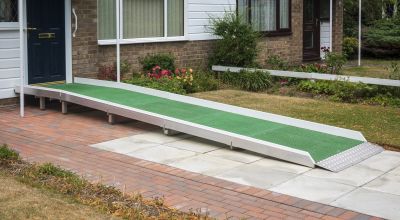
- Wheelchair Ramp Installation - needed when an individual requires accessible entry to their home due to mobility challenges.
- Bathroom Modifications - necessary for those needing safer, more accessible bathing and toileting options.
- Stairlift and Elevator Installation - suitable when stairs become difficult or unsafe for someone with limited mobility.
- Doorway and Hallway Widening - required to accommodate mobility devices like wheelchairs or walkers throughout the home.
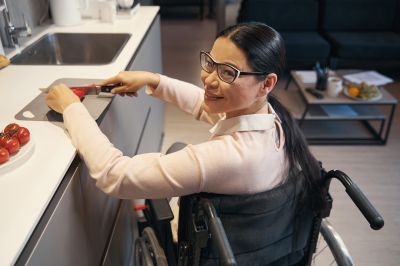
- Kitchen Accessibility Upgrades - essential for individuals who need easier access to cooking and food preparation areas.
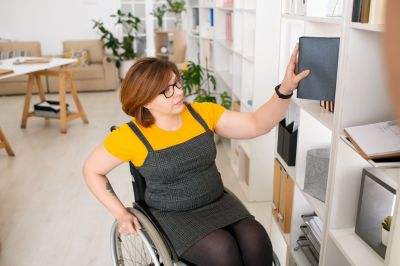
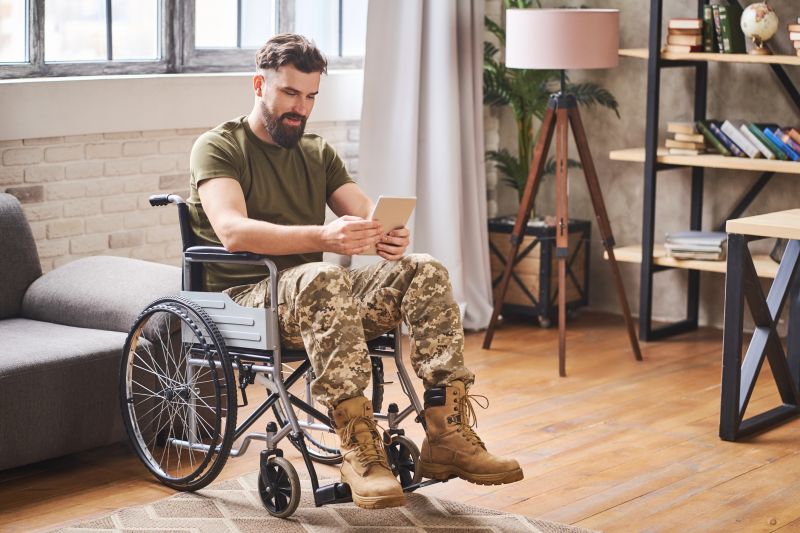
Disability home modification services involve making adjustments or adding features to a residence to better accommodate individuals with mobility challenges or other disabilities. These modifications can include installing ramps, widening doorways, adding grab bars, or adjusting bathroom layouts to improve accessibility. The goal is to create a safer, more functional living space that allows residents to move comfortably and independently within their homes.
These services help address common problems such as difficulty navigating stairs, limited bathroom accessibility, or the need for support when moving around the house. By modifying key areas, homeowners can reduce the risk of falls, enhance safety, and increase ease of daily activities. These improvements can be particularly beneficial for seniors, those recovering from injury, or individuals living with chronic health conditions that impact mobility.
Disability home modifications are typically performed in a variety of property types, including single-family homes, apartments, or multi-unit dwellings. Many homeowners find these services useful when aging in place, or when a family member’s health condition requires accessible features. The modifications are designed to blend seamlessly with existing home layouts, ensuring that the residence remains comfortable and functional for everyday living.
When considering disability home modification services, it’s important to identify local contractors who specialize in accessible design and construction. These service providers can assess individual needs, recommend suitable modifications, and carry out the work efficiently. Connecting with experienced local pros ensures that modifications meet specific requirements and are completed to a high standard, making the home safer and more accessible for everyone living there.
The overview below groups typical Disability Home Modification projects into broad ranges so you can see how smaller, mid-sized, and larger jobs often compare in your area.
In many markets, a large share of routine jobs stays in the lower and middle ranges, while only a smaller percentage of projects moves into the highest bands when the work is more complex or site conditions are harder than average.
Smaller Repairs - Basic modifications like grab bars or threshold ramps typically cost between $250 and $600. Many routine jobs fall within this range, making them affordable options for simple upgrades.
Mid-Range Projects - More extensive modifications such as stair lifts or bathroom remodels usually range from $1,500 to $3,500. These projects are common and often involve multiple features or areas of the home.
Major Renovations - Larger, more complex modifications like full bathroom conversions or doorway widenings can cost between $4,000 and $8,000. Fewer projects reach this tier, but they are necessary for significant accessibility improvements.
Full Home Modifications - Complete accessibility overhauls or major structural changes can exceed $15,000, with some projects reaching $25,000 or more. These are less frequent but essential for comprehensive accessibility needs.
Actual totals will depend on details like access to the work area, the scope of the project, and the materials selected, so use these as general starting points rather than exact figures.
Bathroom Renovations - local contractors can modify bathrooms to improve accessibility, including installing grab bars, walk-in showers, and lowered sinks for easier use.
Kitchen Adaptations - service providers can reconfigure kitchen layouts by lowering countertops, adding accessible storage, and installing ergonomic fixtures to enhance usability.
Ramp Installation - local pros can design and build ramps that provide safe, wheelchair-accessible entryways to homes and outdoor spaces.
Doorway Widening - contractors can enlarge door frames to accommodate mobility devices, ensuring easier access throughout the home.
Flooring Modifications - service providers can install smooth, non-slip flooring surfaces to reduce tripping hazards and facilitate movement for individuals with mobility challenges.
Stairlift and Elevator Installation - local specialists can add stairlifts or home elevators to improve vertical mobility within multi-story homes.
When comparing service providers for disability home modifications, it’s important to consider their experience with similar projects. Look for local contractors who have a proven track record of handling modifications that match the scope of your needs. An experienced professional will understand the unique challenges involved and be better equipped to deliver a solution that meets your requirements effectively. Gathering information about their past work can provide insight into their familiarity with the type of modifications you need, helping to ensure the project is approached with competence and understanding.
Clear written expectations are essential when selecting a service provider. This includes detailed descriptions of the work to be performed, the materials to be used, and any other relevant project specifics. Having this information in writing helps prevent misunderstandings and provides a reference point throughout the process. When evaluating local contractors, ask how they communicate project details and ensure that their scope of work and deliverables are transparent. Well-defined expectations contribute to a smoother experience and help ensure that the final outcome aligns with your needs.
Reputable references and good communication are key indicators of a dependable service provider. Ask potential local pros for references from previous clients who had similar modifications done. Contact these references to learn about their experiences, focusing on the contractor’s professionalism, reliability, and ability to communicate clearly. Effective communication throughout the project helps address questions or concerns promptly, fostering a collaborative relationship. Since the site introduces homeowners to local options, it’s important to independently verify these qualities to find a professional who can deliver quality work and maintain open, transparent dialogue.
Property owners use Disability Home Modification services for practical projects around their homes and businesses. This guide focuses on everyday jobs and straightforward project options.
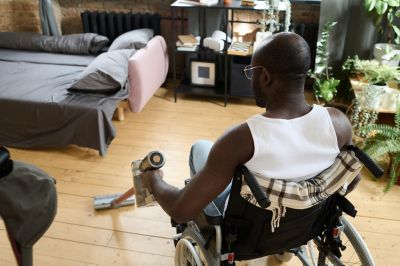
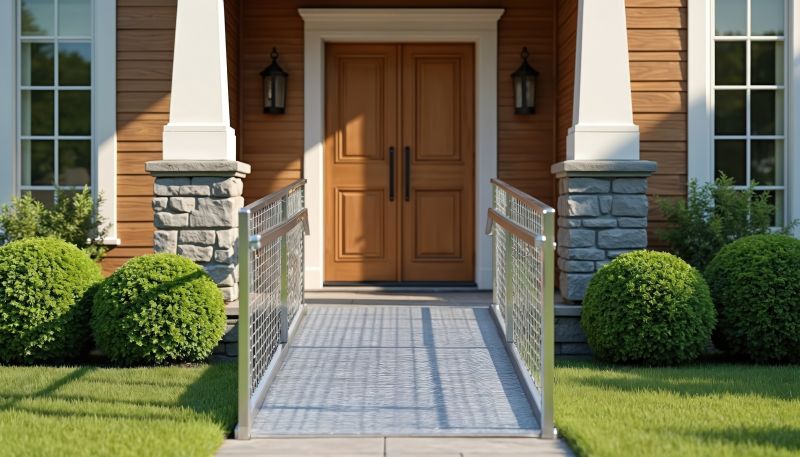
Disability home modification services are often sought after by property owners who want to improve accessibility and safety within their homes. Common situations include making entryways step-free, installing grab bars in bathrooms, or widening doorways to accommodate mobility aids. These projects help create a more comfortable living environment and can support independence for individuals with mobility challenges or other disabilities.
Many property owners in the area look for local contractors who specialize in modifications that address specific needs, such as ramps, stairlifts, or accessible bathroom fixtures. These professionals understand the unique requirements of each home and can tailor solutions to fit the space and the individual’s lifestyle. Connecting with experienced service providers can make the process of adapting a home more straightforward and effective.
What types of home modifications are available for disability access? Local contractors can install ramps, grab bars, widened doorways, stairlifts, and bathroom modifications to improve accessibility for individuals with disabilities.
How can home modifications enhance safety for someone with a disability? Service providers can add features such as non-slip flooring, accessible showers, and handrails to help prevent falls and create a safer living environment.
Are there modifications suitable for different types of disabilities? Yes, local professionals can customize modifications to accommodate mobility, visual, or other specific needs, ensuring functional and accessible spaces.
Can home modifications be done in existing spaces? Many modifications, including ramps and bathroom upgrades, can be integrated into current layouts without extensive remodeling, depending on the home's structure.
How do service providers determine the best modifications for a home? They assess the specific needs and mobility levels of the individual to recommend suitable modifications that improve independence and comfort.
Wheelchair Ramp Installation - Make entrances more accessible by adding ramps that allow easy navigation for mobility devices. Local contractors can help design and build solutions tailored to property layouts.
Bathroom Accessibility Modifications - Improve safety and convenience by installing grab bars, walk-in showers, or raised toilets in existing bathrooms. Local service providers can adapt spaces for easier use.
Doorway and Hallway Widening - Create more space for mobility aids by widening doorways and hallways to improve ease of movement throughout the home. Local contractors can handle structural adjustments as needed.
Kitchen Adaptations - Modify countertops, cabinets, and appliances to make kitchen areas more functional and accessible for daily activities. Local pros can help plan and implement these practical updates.
If you are thinking about Disability Home Modification for a property, this guide is meant to help you understand the work, the typical project types, and how different options might fit your plans.
When you are ready, you can use the quote form on this page to share a few details about your project. From there, local pros can review the basics and respond with options that match what you have in mind.